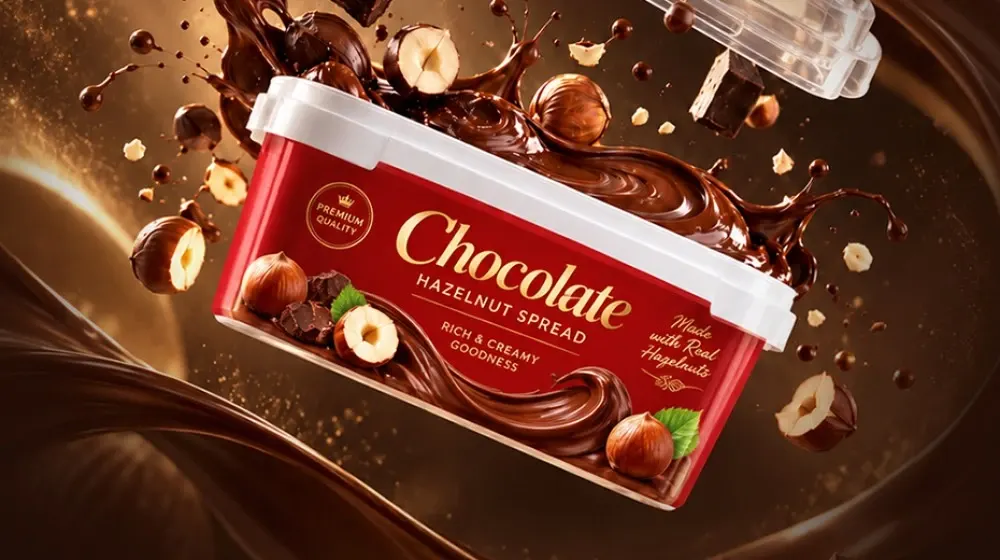
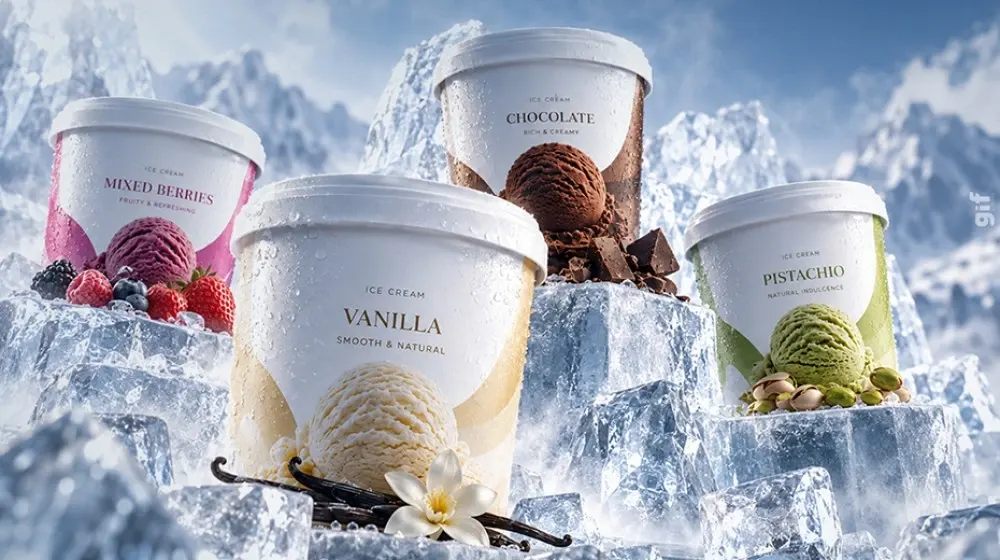
With IML packaging, the label becomes part of the container surface during moulding—shelf presence and durability take shape in one process.

IML (In-Mould Labelling) is a process in which a printed label is placed inside the injection mould and becomes part of the container's surface as the container is formed. The label is not applied afterwards: it fuses with the plastic during moulding. This is why IML packaging is widely used for food and consumer products that need high-quality graphics and a durable surface.
Feature IML (in-mould) Adhesive label Direct printing When applied During moulding Separate step after moulding Separate step after moulding Visual result High resolution, part of the container Good; separate layer on the surface Depends on design and surface Peeling risk Low (label is integrated) Depends on conditions No peeling; wear is possible Artwork change Often a new label print is enough New label print New plate / setup Initial investment IML-ready mould and automation needed Low Medium
This is a general comparison; results vary by product and project.
IML containers are commonly seen in dairy products, sauces, salads and deli products, ready meals and dry foods, and in some non-food products. At Jetpak, the right container and lid are selected together based on your product, filling method and shelf environment.
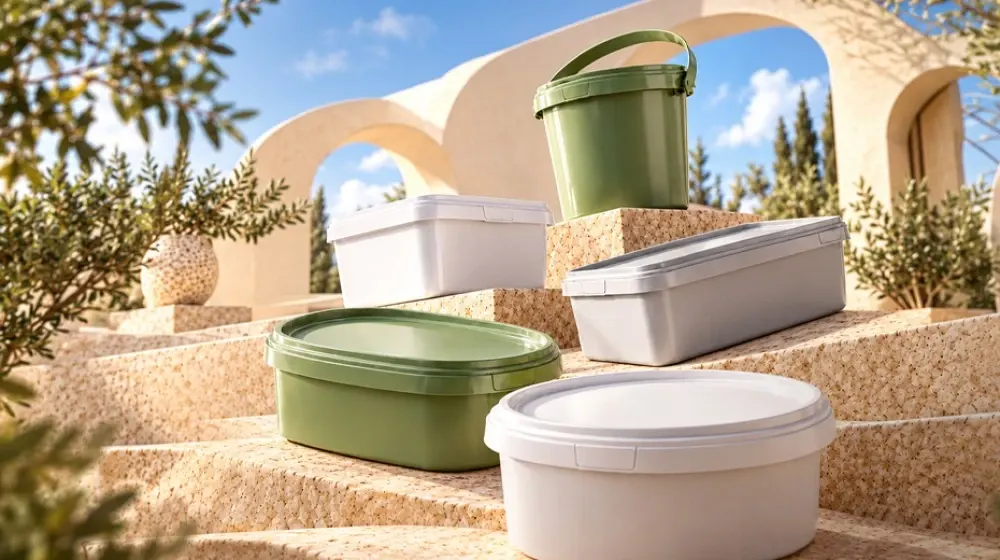
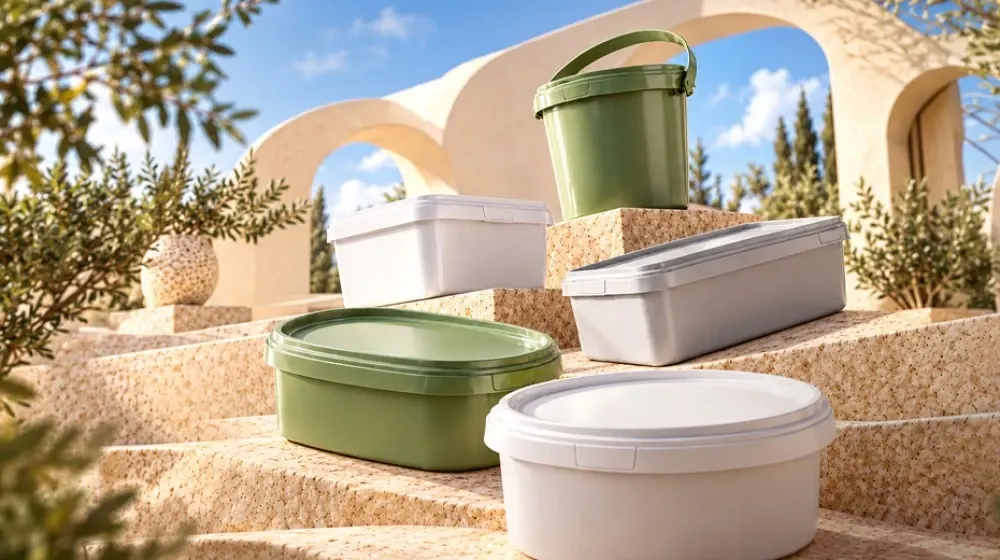
Jetpak Plastik is a Turkish manufacturer of PP (polypropylene) plastic packaging. Our packaging is made by injection moulding, with IML-eligible products and containers with locking lids. Product groups: Round, Square, Rectangular, Oval and Custom Design. Our PP packaging is suitable for food contact; which products and moulds can be used for IML is defined together with you per project.
Related pages: Products · Round Containers · Square Containers · PP Food Packaging · Custom Packaging Design
Looking for IML containers? Request a quote · View products
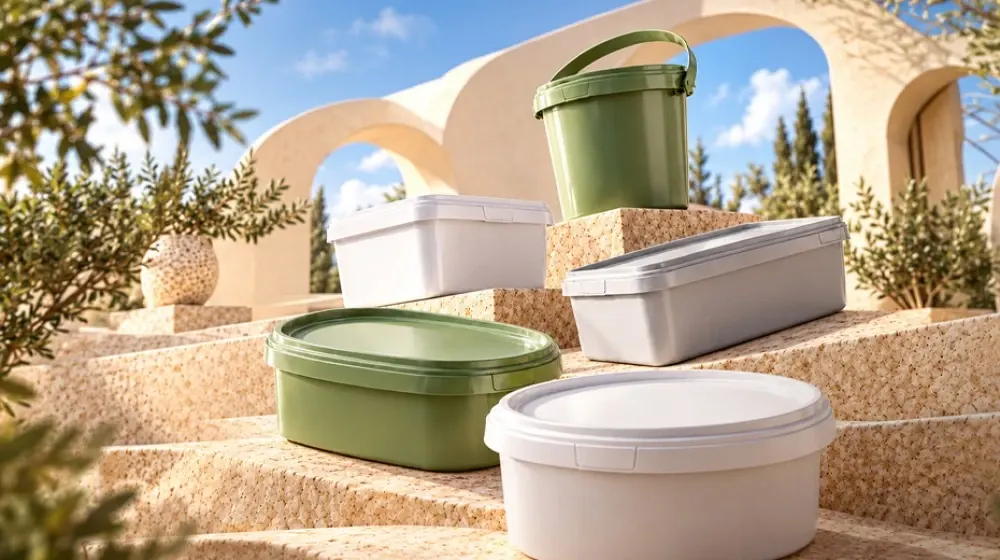


With IML packaging, the label becomes part of the container surface during moulding—shelf presence and durability take shape in one process.
Jetpak Plastik Ambalaj